Ropes for Mountain Ropeways & Steel Cable Bridges
Mountain tourism is booming, with scenic ropeways and steel cable bridges becoming key attractions. Both systems rely heavily on high-performance wire ropes to ensure visitor safety and smooth operation.
For mountain ropeways (passenger gondolas or chairlifts), two rope types are critical: carrying ropes that support the cabin weight and hauling ropes that pull cabins along the route. These ropes must resist bending fatigue from repeated sheave contact, weather exposure (UV, rain, snow), and tension variations. Compacted strand or rotation-resistant constructions with galvanized or stainless steel coatings are commonly used to extend service life in outdoor environments.
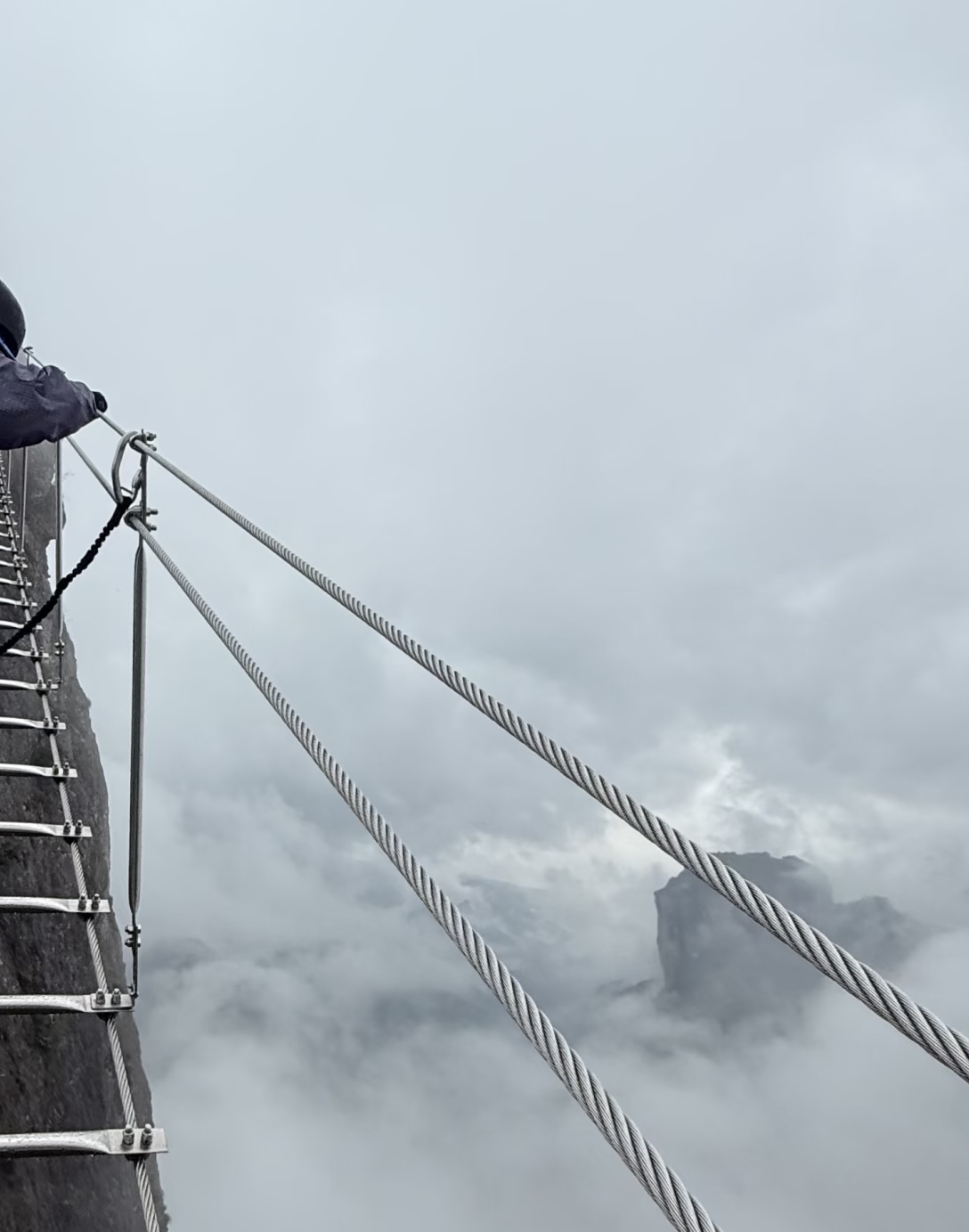
Steel cable bridges — often suspended between cliffs or over valleys — use wire ropes as main cables, handrails, and suspenders. Unlike permanent transport bridges, these are designed for pedestrian adventure experiences. They require high tensile strength, moderate flexibility, and excellent corrosion resistance. Locked coil ropes or parallel wire strands are typical choices. Industry standards (e.g., EN 12927 for ropeways, safety factors for pedestrian bridges) mandate regular inspection for broken wires, corrosion, and terminal wear.
Current hot topics include integrating non destructive testing (magnetic flux) for aging mountain installations, and using environmentally friendly coatings (zinc aluminum or polymer sheathing) to reduce maintenance in remote alpine areas. As post pandemic outdoor recreation surges, demand for reliable ropes in scenic attractions continues to grow.
LAFIA WIRE ROPE supplies galvanized and stainless steel ropes for mountain ropeways and cable bridges, with custom lengths, terminations, and certification to meet local safety codes — helping operators deliver thrilling yet safe experiences.