Wire Ropes Powering Oil, Gas and Wind Energy
The global energy landscape is undergoing a profound transformation. On one side, deepwater oil and gas exploration is pushing into ever more extreme environments. On the other, renewable energy, particularly wind power, is scaling up at an unprecedented pace. Bridging these two worlds is a common yet critical component: the steel wire rope.
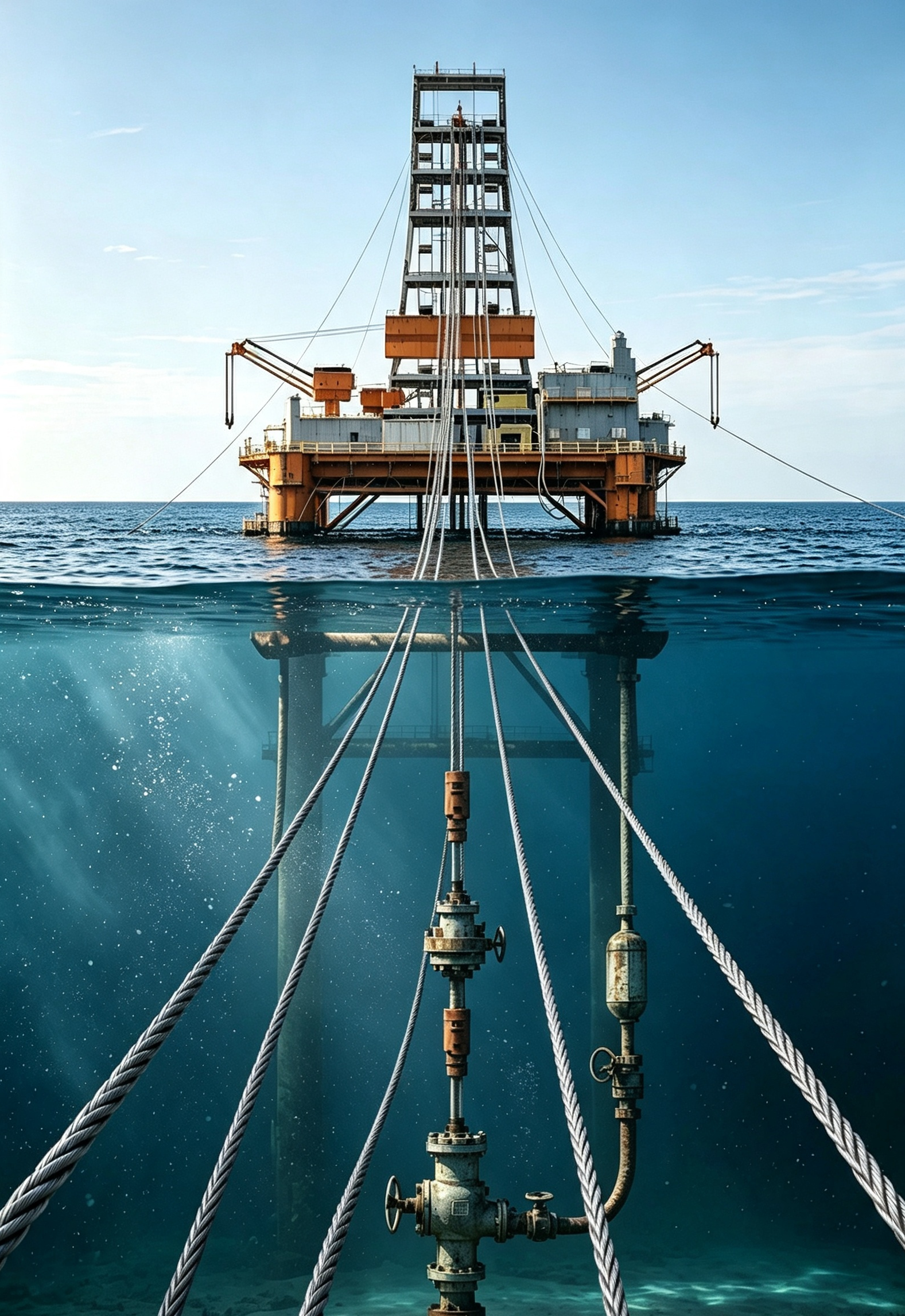
In the oil and gas sector, wire ropes are the literal lifelines of drilling operations. From the hoisting systems of onshore drilling rigs to the mooring lines of offshore platforms, these ropes bear immense loads under punishing conditions. A drilling rig's hoisting rope, for instance, may see line speeds up to 18 meters per second while enduring severe shock loads. As operators drill deeper, beyond 3,000 meters, the demand for ultra-high strength ropes exceeding 2,160 MPa with superior corrosion resistance has grown significantly. In fracturing operations, wire ropes on fracturing trucks run strings up and down, connecting surface equipment to the wellbore. For pipeline construction, steel ropes are essential for pulling and positioning pipes across challenging terrain. The global oil and gas wire rope market was valued at approximately 2.38 billion USD in 2025 and is projected to reach 2.72 billion USD by 2032.
Meanwhile, the wind energy boom has created a new and rapidly growing market for wire ropes. In wind turbine installation, heavy-lift ropes are used to hoist massive nacelles and tower sections into place. Inside turbine towers, service lift systems rely on steel wire ropes to transport technicians and equipment for maintenance. For floating offshore wind turbines, a key frontier as projects move into deeper waters, steel wire ropes are increasingly used in mooring systems as a cost-effective alternative to traditional chains. Hybrid rope-chain systems have been shown to reduce mooring material costs by 30 to 90 percent.
Across both sectors, one of the hottest industry trends is smart monitoring. Traditional visual inspections are giving way to real-time, sensor-based diagnostics. In China, for example, a self-developed wire rope flaw detection system has been deployed on drilling rigs, running over 3,000 hours with zero failures. The system uses magnetic flux leakage technology to precisely detect wear, fatigue damage, and broken wires, with data collected and analyzed in real time and alerts issued within seconds. This shifts safety management from experience-based judgment to data-driven decision-making. Similar technologies are now being explored for wind turbine hoisting ropes and mooring lines.
As the world pursues both energy security and decarbonization, wire ropes will remain indispensable, whether pulling oil from deep beneath the earth or holding a floating wind turbine steady against the waves.